
How To Know If Your House Has Good Bones
How To Know If A House Has Good Bones
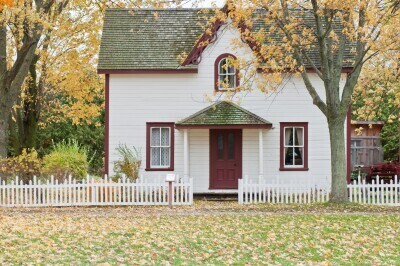
When we shop for homes to buy, there are many things we expect to fall into place. We want a location we love, a home that has enough space for us, and of course, a house that we’ll love to look at and live in. One question that comes up a lot is, How to know if your house has Good Bones
Unfortunately, if you’re looking at homes that require some work to be completed, it can be harder to figure out if a home will fill your needs. How much work is too much work? How can you tell if underneath that hideous wallpaper and dead lawn there’s a home that’s worth saving?
Here’s what to keep an eye out for.
Solid Foundation
The most important part of any home is the foundation. This foundation is the lowest load-bearing part of your home. It holds your home up so that it doesn’t sink unevenly into the dirt beneath it and evenly transfers the force of the weight of the framing of a house into the ground beneath it.
Luckily, some warning signs will tell you if a home’s foundation can’t be trusted. This could range from cracks along the interior and exterior to doors refusing to close properly and gaps in your board and batten siding. You can also check this by placing something round in the center of each room and seeing if the floor is pitched from uneven settling.
Great Wiring
Fantastic wiring is a must because it ensures you can avoid the risk of a fire. Beyond that, excellent wiring allows you to use your home easily and put the outlets to work without having to worry about the lights dimming randomly or your electronics flipping a breaker any time that you use them.
When you’re walking through a house, try to take a couple of minutes to turn on and off light switches, appliances, and any other large electronics. Then, ensure that you turn them off before leaving, but pause for just a couple of minutes to see how they behave. If they work fine and there’s no pause or issue, the wiring is more than likely in good condition.
Plumbing That Works
Poor plumbing can lead to major disasters like flooding your home or ruining the walls and polyisocyanurate insulation. The average person uses dozens of gallons of water every day between cooking, showering, using the bathroom, and brushing our teeth or washing our hands. So your home must have plumbing that works.
Repairing bad pipes can cost thousands, not to mention a home without working plumbing is not livable until it’s been corrected. Although you can try to get by with boiling water or avoiding using too much, it’s no way to live. Check it yourself, and then carefully check the home inspection’s notes on the plumbing as well.
You can check during a walkthrough by turning on faucets, noting how long it takes to get warm, if the water is clear, and if it splutters or comes out unevenly. Although it can be hard to tell without a professional at hand, it’s good to know before you try to buy.
Room For Growth
The thing to remember about picking a home with good bones is that they don’t have to be perfect from the get-go. These homes can have great bones but horrible flooring and ugly kitchen cabinets: and still be worth it. If you want to make a house into your own perfect space, it’s a good idea to look at its base, consider if this is a property worth investing in, and then build a mental image out of that. After all, you can add shake shingles: but replacing the foundation is a nightmare.
What To Avoid
There are some major red flags to keep an eye out for when shopping around for a home with good bones! First, avoid a house that has an issue with mold; these black splotches can be obvious in some cases but hidden in others. Many molds are terrible for our respiratory systems and can cause major health issues.
You should also keep an eye out for water and insect damage! If you notice any rotting wood or a basement that feels a little too damp, it might not be the perfect fit for you. Finally, avoid any home where the roof is sagging or showing clear signs of deterioration because that could mean there’s leaking and damage in the attic or upper floor of the house, which is incredibly expensive to fix.
Even If A House Isn’t Perfect: It Needs A Base.
You don’t have to find the perfect house! It’s better if you don’t since you can save money and invest it back into the property in other ways. Instead, it would help if you tried to find a home that has a good base and gives you something to work with. After all, your dream home should be one you help build for yourself.
Brian Jeffries is the content director for the Innovative Building Materials blog and a content writer for the building materials industry. He is focused on helping fellow homeowners, contractors, and architects discover materials and methods of construction that save money, improve energy efficiency, and increase property value.


