
Building Material Cost Trends: What to Expect This Year

If you haven’t seen anything about building material costs in recent years, then you have been completely tuned out from the real estate industry.
For that matter, you may have been entirely off the grid, as rising material costs have made headlines in virtually all corners of the economy.
While we can all hope for some relief in this regard, don’t expect material prices to go down anytime soon, with steady increases likely in the broad sector in the year ahead.
Keep reading as we explore the various factors driving material cost trends, with a look at some specific materials and strategies on how to mitigate material cost challenges.
Factors Driving Costs of Building Material in 2025
There are myriad factors contributing to the ongoing price increase of building materials. A few of the most pertinent include:
- Inflation – seemingly random and ever-difficult to predict, the construction industry has been battling inflation in the broader economy in recent years. While inflation should be more stable for the rest of 2025, expect upward pressure to remain, especially for those materials with high labor and transportation requirements.
- Supply chain disruptions – although the global supply chain has been steadily recovering since the pandemic, localized disruptions (natural disasters, political tensions) could still impact the price and availability of certain materials.
- Labor shortages – skilled labor shortages in the construction industry remain acute, with most builders charging a premium for specialized material
- Geopolitical instability – in case you hadn’t heard: Their real and perceived impact will continue to drive price volatility in the material sector.
- Sustainability movement – as the demand for sustainability innovation increases, it may result in higher material fabrication costs.
While these factors are overarching for the entire materials sector, it should be noted that their impact on specific products will vary.
Projected Cost Changes for Popular Materials in the Coming Year
In the years following the pandemic, material prices notably surged. After taking a bit of a respite in 2024, the 2025 Global Construction Outlook by JLL predicts cost increases to resume, likely between 5-7% in the materials sector. Let’s look at how the cost of a few specific materials will trend in the year ahead.
Engineered Cladding
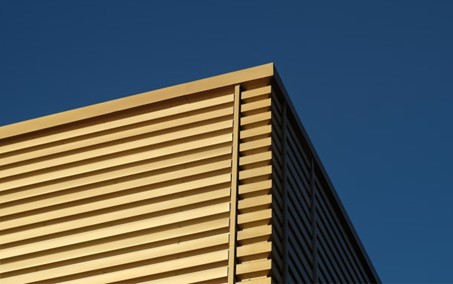
There has been an increased interest in fiber cement siding and other forms of engineered cladding in recent years. It is a premier option in the era of climate change, as it offers top-notch resistance to fire, impact, and moisture.
The price of this innovative siding has increased by roughly 3% annually in recent years. It is expected to follow this trend in the year ahead. The main factors behind this moderate price hike are increases in the price of its aggregate components, such as sand, cellulose fibers, and Portland cement.
Insulation
Insulation is a core material in the era of sustainable construction. There are various types of insulation for exterior walls, each with their own benefits in terms of R-value. Unsurprisingly, they also have somewhat differing cost outlooks in the year ahead:
- Fiberglass batt – this common insulation material will likely rise by 2-4% in the coming year but still remain among the most affordable options.
- Spray foam – among the most popular insulation materials for new construction homes, spray foam costs may increase by as much as 8% in 2025, with high demand and more expensive chemicals used in fabrication.
- Rigid foam board – a popular material in multi-family complexes thanks to its elite R-value per inch, this insulation appears to be more stable in cost for the year ahead, with prices differing in regional markets.
Properties interested in the highest level of sustainability may look at options such as recycled denim, sheep’s wool, and hemp. While the upfront cost of these materials will likely be higher than chemically-formed insulation, there is some evidence that they will result in long-term cost savings due to their high recyclability and utility in expediting the healthy home movement.
Steel
Steel is gaining traction in residential homes thanks to its elite durability and prefabrication potential. The outlook for the price of steel is a mixed bag. Some pundits point to potential price hikes due to tariffs and the ongoing trade war. Other forecasts predict that increased steel production in the U.S. will result in overcapacity that will possibly drive down steel costs.
Cedar Roofing Shingles
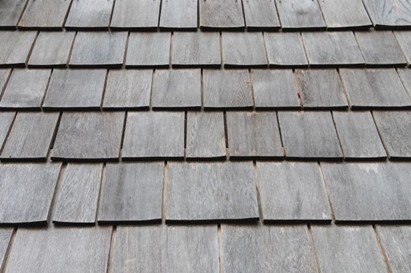
Although cedar shingle roofing is rustic and charming, it is set to experience heftier price increases than other materials. This is due largely to the increased threat of wildfires,
environmental regulations on timber harvesting, and ongoing concerns over lumber availability. Expect prices to go up 4-7% in the year ahead. Due to these ever-present concerns, many builders are sourcing synthetic wood roofing as a more environmentally-friendly option than natural wood shingles.
Granite Countertops
There is little doubt that a kitchen with granite countertops is one of the most attractive options in contemporary homes. Granite offers a stately stone aspect to rival marble and onyx. However, it is generally more affordable than either of these materials and also has better heat and scratch resistance. The good news is that granite countertops look to remain fairly stable in price in the year ahead. This may be attributed to a rise in engineered stone alternatives that offer price competition in the sphere. It should be noted that prices will vary based on quality and origin of the granite sourcing.
How to Mitigate Fluctuating Material Costs

While predicting material costs is an inexact science, there are a few steps homeowners, investors, and contractors can take to arrive at more accurate forecasts and ensure that projects do not get delayed by material cost challenges:
- Realistic budgeting – always plan to pay a 20% premium on Have this extra funding on hand to keep the project moving. As the saying goes: “Plan for the worst, hope for the best.”
- Lock in costs – source from suppliers who are willing to honor prices when locked in advance, regardless of fluctuations in the market.
- Define project scope – having detailed plans limits the threat of “scope creep” that can require the need for additional materials to arise.
- Secure multiple quotes – explore diverse suppliers and try to get price match offers for the most competitive bottom line.
Stay Ahead of the Cost Trends When Sourcing Building Materials
Although building material costs continue to rise, understanding the causes of price hikes and employing strategies for getting the best quote possible can help make
construction costs more palatable. For more of the latest real estate news in Arizona, explore the content at Clear Mortgage for the leading insights in the market!


